About
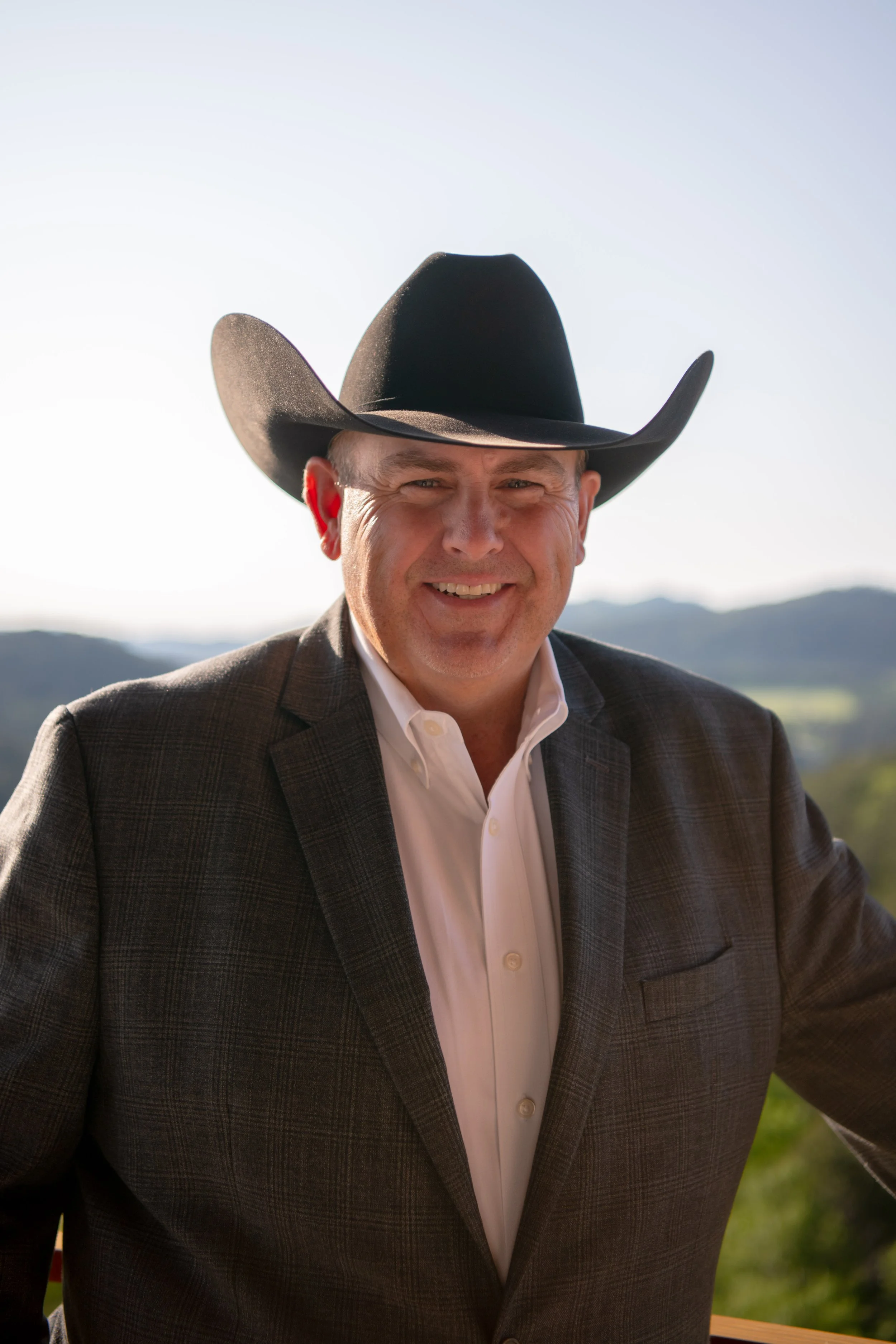
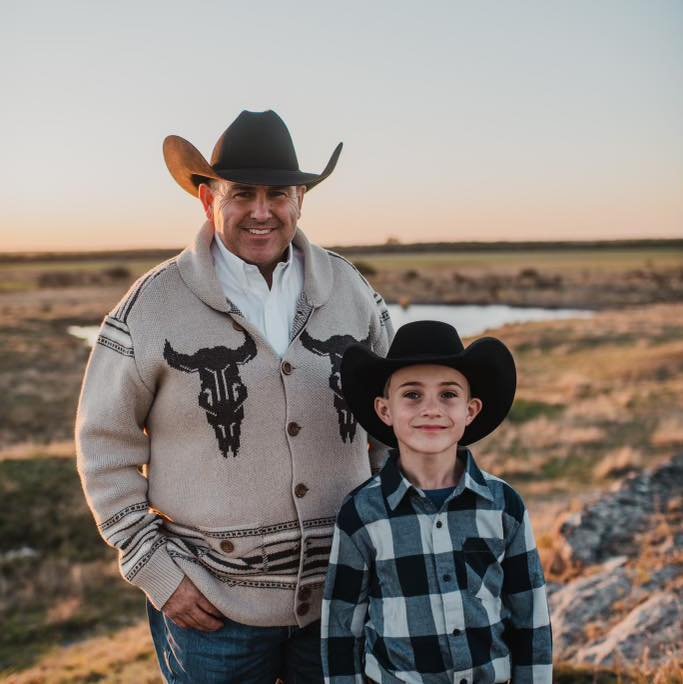
meet shad sullivan
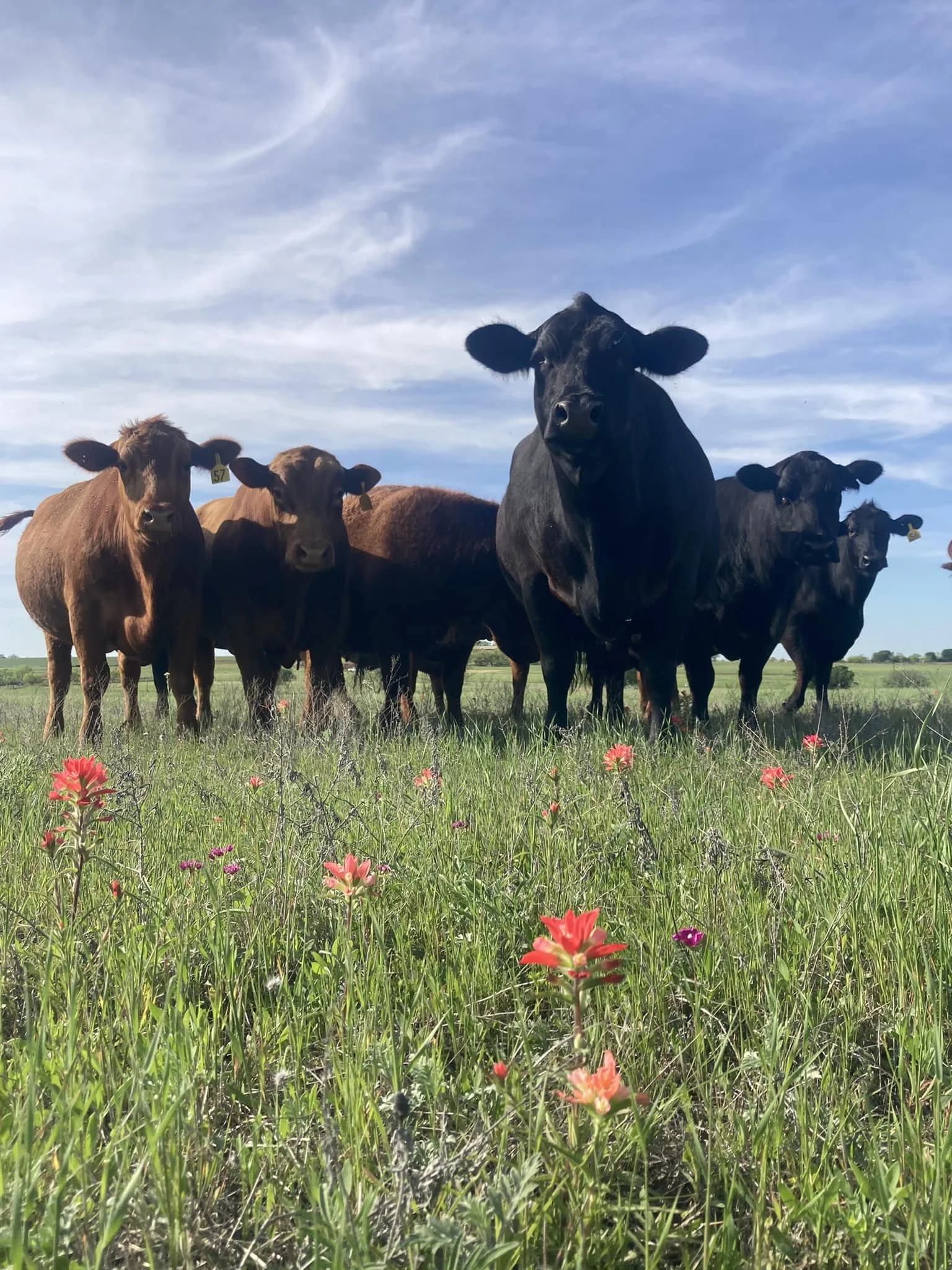
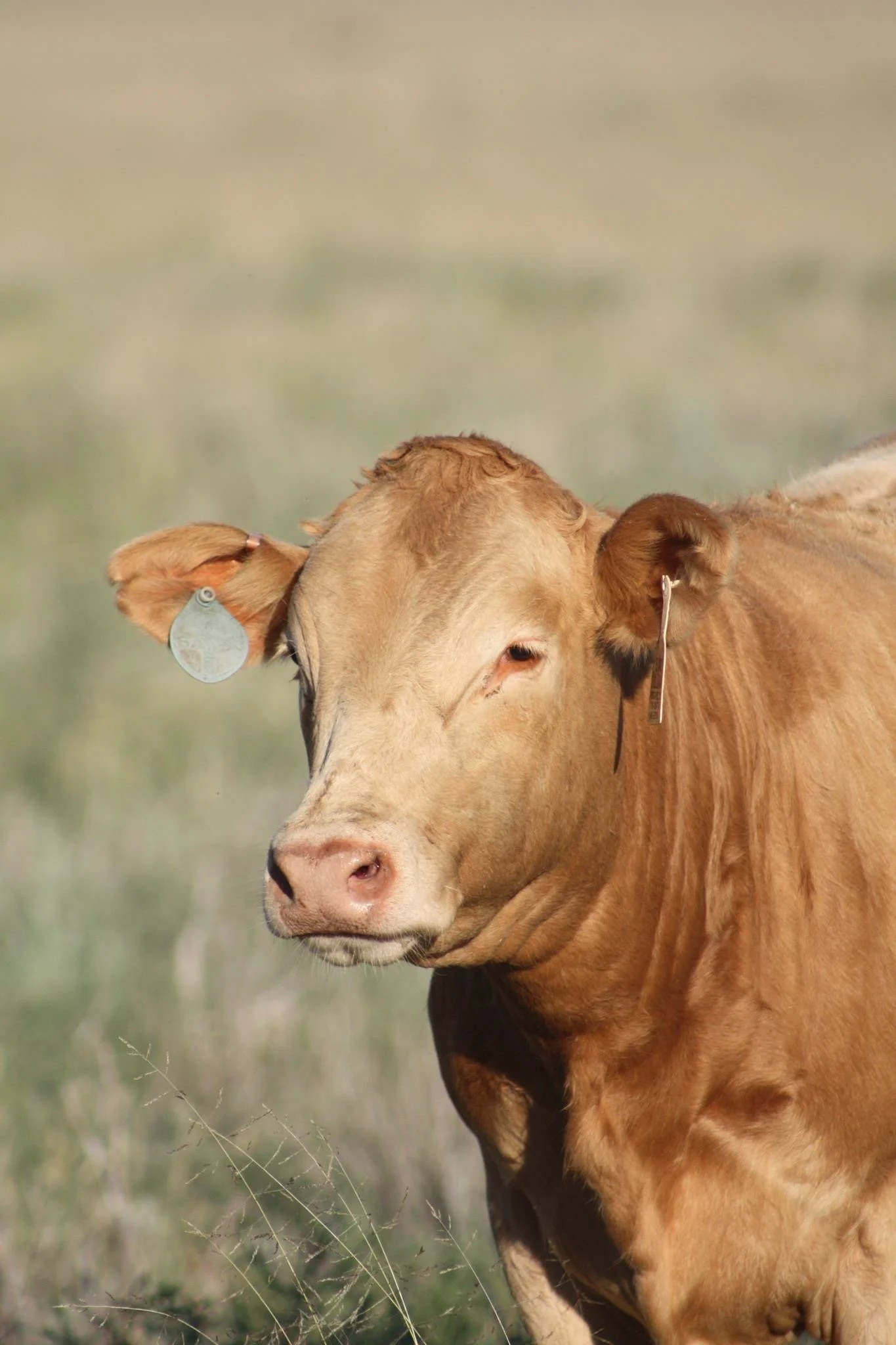
Beef & Liberty is the personal platform of Shad Sullivan, an American rancher, speaker, writer, and advocate for independent cattle producers and American agriculture. Through speaking engagements, articles, original cowboy poetry, merchandise, and his family's Antelope Mesa Beef, Beef & Liberty reflects a commitment to faith, freedom, and the ranching way of life.
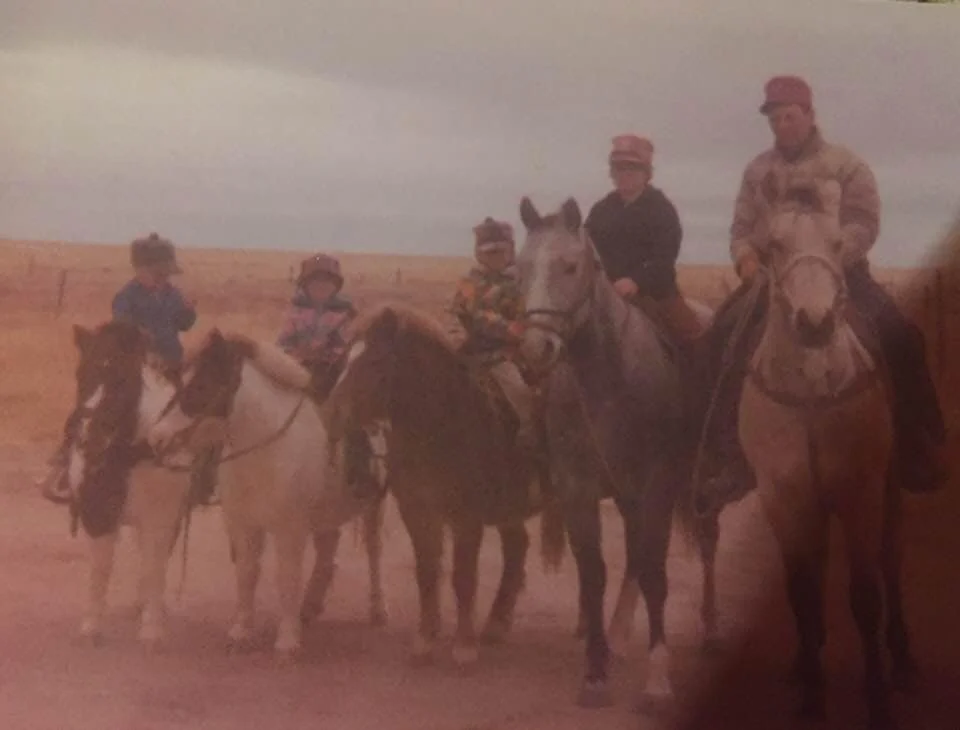
Shad is a fifth-generation native of southeast Colorado. Raised on his family’s stocker operation atop the Antelope Mesa in northwestern Crowley County, he learned early the values of hard work, loyalty, and integrity.
A graduate of Crowley County High School, he earned a Bachelor of Science degree in agriculture and animal science from West Texas A&M University in 1996. After a short time instructing and coaching equine evaluation at Clarendon College, Shad returned home to carry on his family’s ranching legacy and their commitment to stewardship of land and livestock.
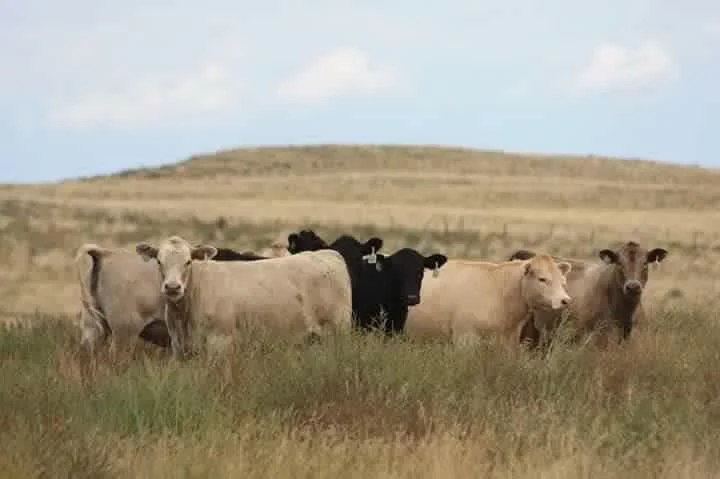
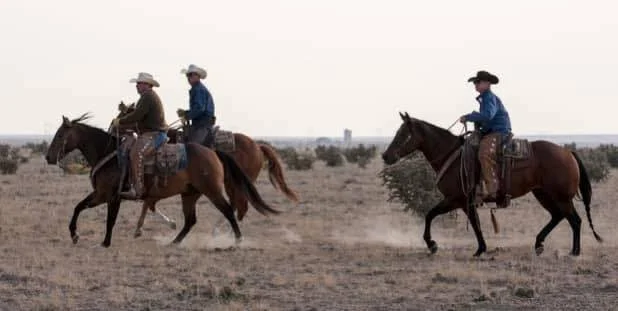
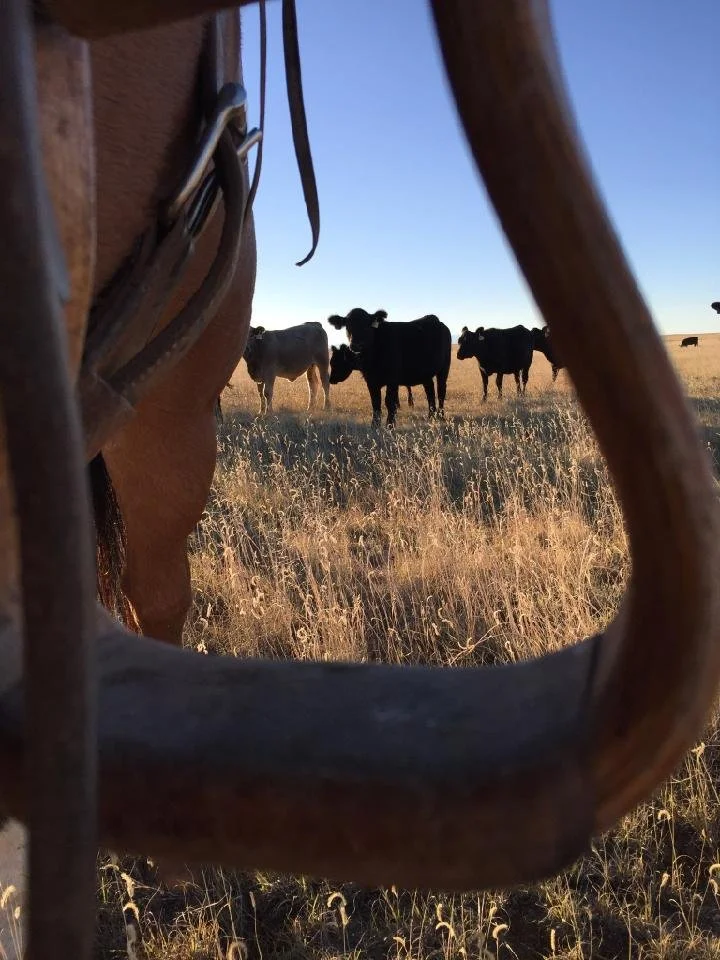
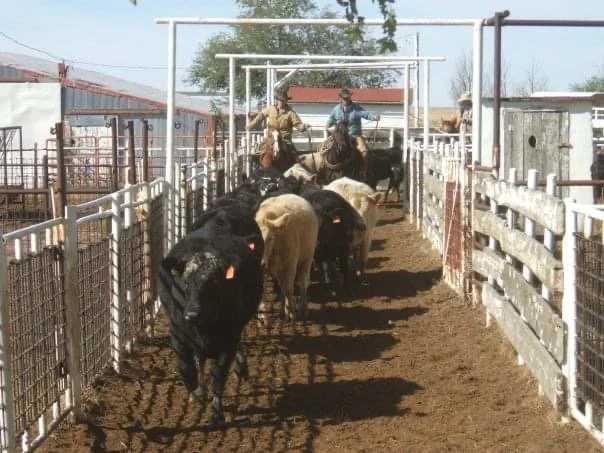
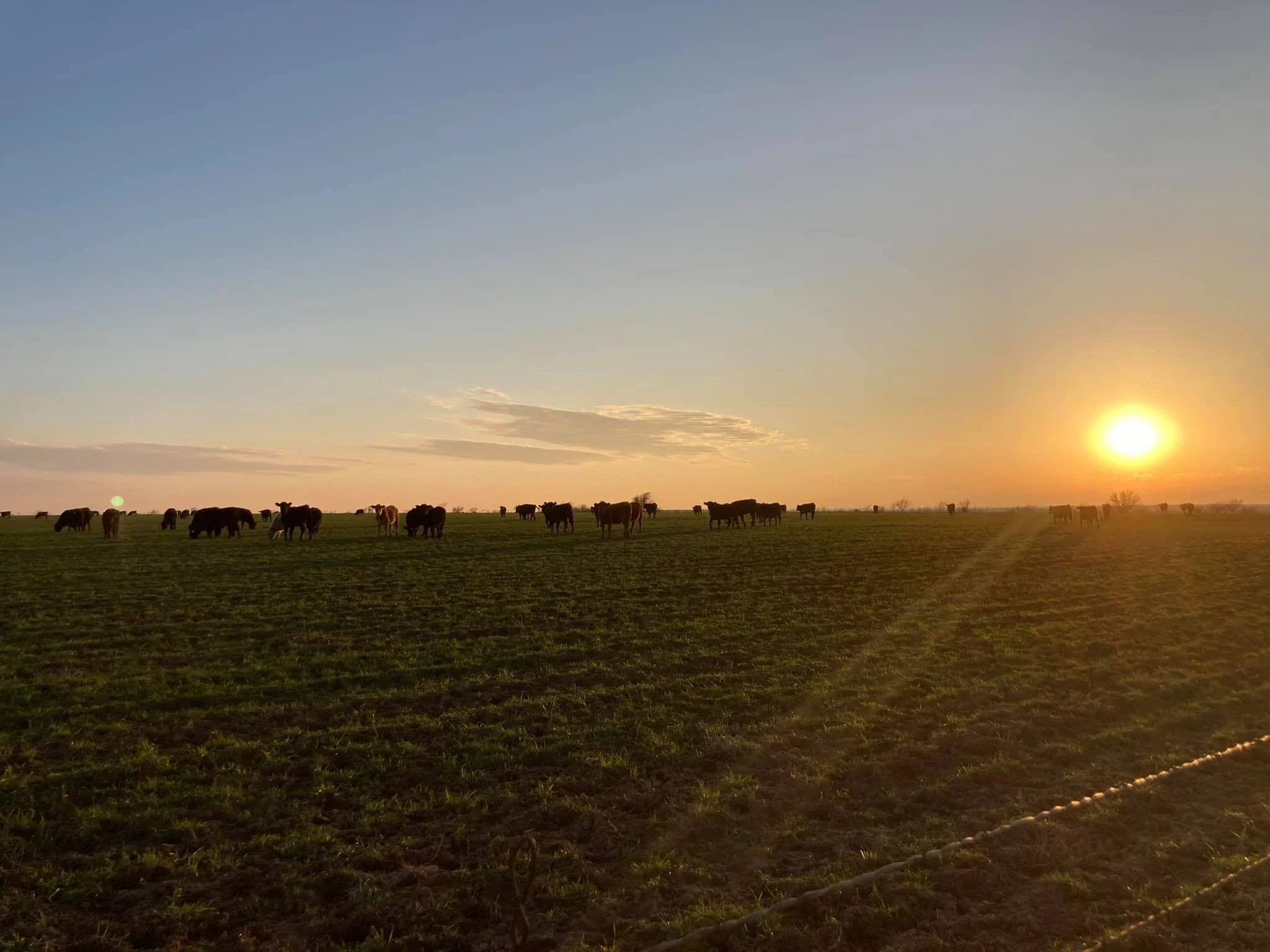
In 2002, he built a small preconditioning yard at the headwaters of Bitter Creek in Archer County, Texas. There, he procures fly-weight stocker cattle from Mississippi and Alabama, which are brought to the family grow yard for weaning before grazing wheat through the winter. Each spring, the cattle move north to the shortgrass prairies of southeast Colorado on owned and leased ranches, where they graze before being marketed in the fall. Wherever the cattle are, that’s where you’ll find Shad.
Having witnessed the loss of countless family farms and ranches to bureaucratic pressure, market manipulation, and industry corruption, Shad came to realize that liberty in production is truly at “steak” — and it all begins with the protection of private property rights.
He serves as a national advocate as property rights chair and former region director for R-CALF USA, and cohosts the organization’s podcast, the R-CALF USA Round Up. Shad is also a contributor to Lonesome Lands, where he cohosts The Lonesome Report.
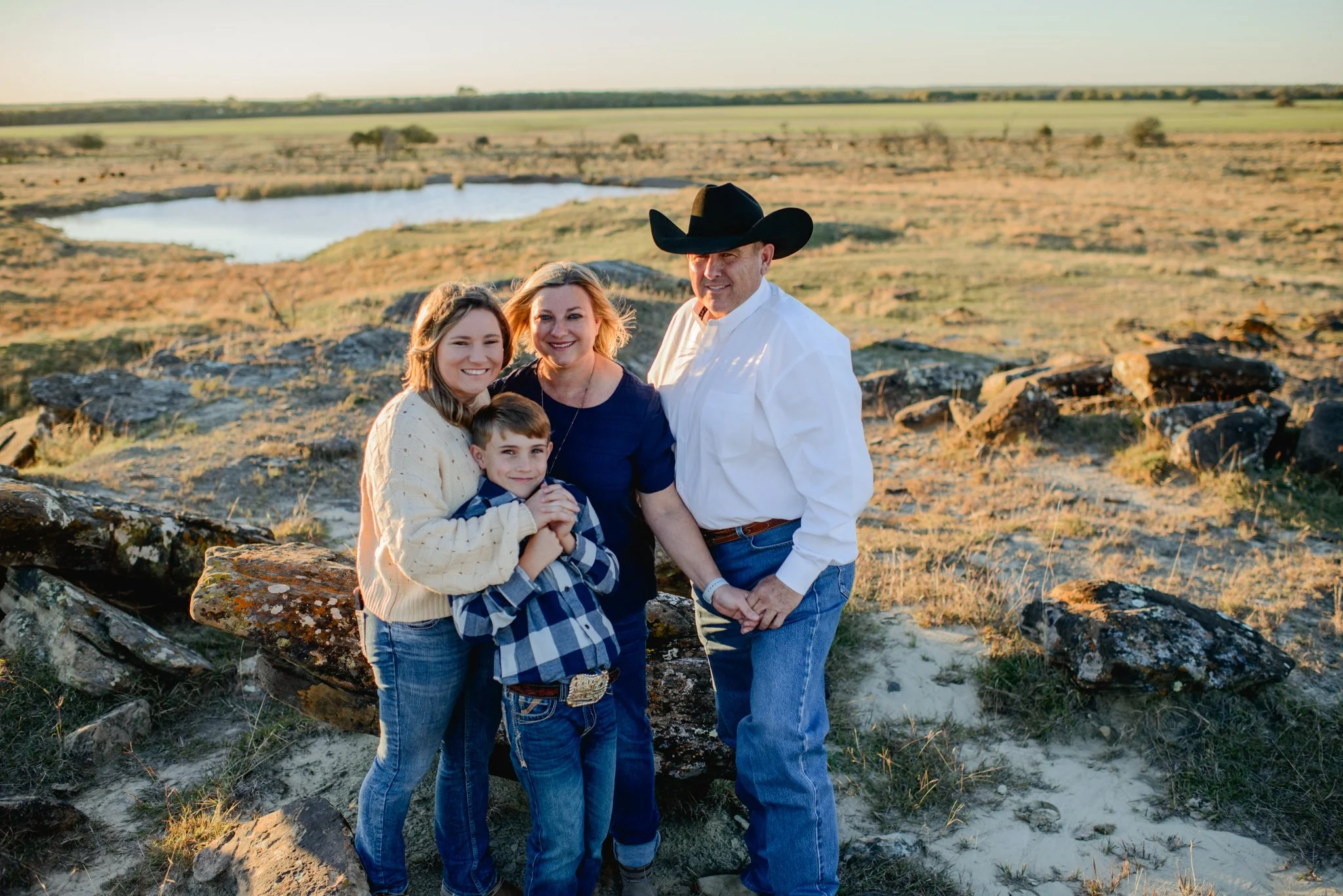
Shad and his wife, Thea, have two children, Lynsey and Beatty Lane.


The Story
The study of humanity across the millennia often takes the mind into a visual portrait of time, rather than the recognition of actual historical facts. The belief that cavemen existed can be debated across timelines for eternity. Yet it is not their existence that captures the imagination, but the visual portrait of strong, masculine Neanderthals, hunting wild animals and cooking over an open fire, near a cave likely captures the mind. Similarly, the vision of vast herds of Bison stampeding across the plains, ahead of natives hot on their trail for not just meat supply, but a youthful rite of passage that conjures the feeling of vitality, and freedom. To this day, the sense of strength that meat and freedom provide continues to drive humans into the wild to do what they have done for millions of years. Truly, the sweetness of nature, the thrill of the hunt, and the instinct to survive are burned deep into the soul of man. There is something about the combination of bloodshed and freedom that is liberating, tangible, and no doubt created to be this way – God-Given.
Fast forward to a more developed time when tribes of man fought for boundaries of landmasses and started exploration into the unknown. The eighteenth century brought on one of the greatest rivalries in world history between England and France. With the threat of a French invasion, “Beef and Liberty” became the rallying cry for the English and secured their national identity through their consumption of beef compared to the French. The rivalry between the two highlighted the differentiation between liberty and nationalism brought through the robust diets of the English beefeaters and the artificiality that defined the French. So much so, that in Theodosius Forrest’s 1735 war ballad, The Song of the Day, he expressed “Their people slaves of power and pride, fat beef and freedom are denied. What realm, what state can happy be, when wanting beef and liberty.” Even the expansion into the American West by those in search of new life andliberty, brought with it the backbone of beef as a source of nutrients and sustenance. And, of course, the season of the trail drivers herding millions of beeves “up no’th” to settle vast ranches, provide for the military and expand markets from coast to coast.
Where there is beef, there is freedom.